The Misuse of the Internet: Understanding Its Impact and How to Combat It
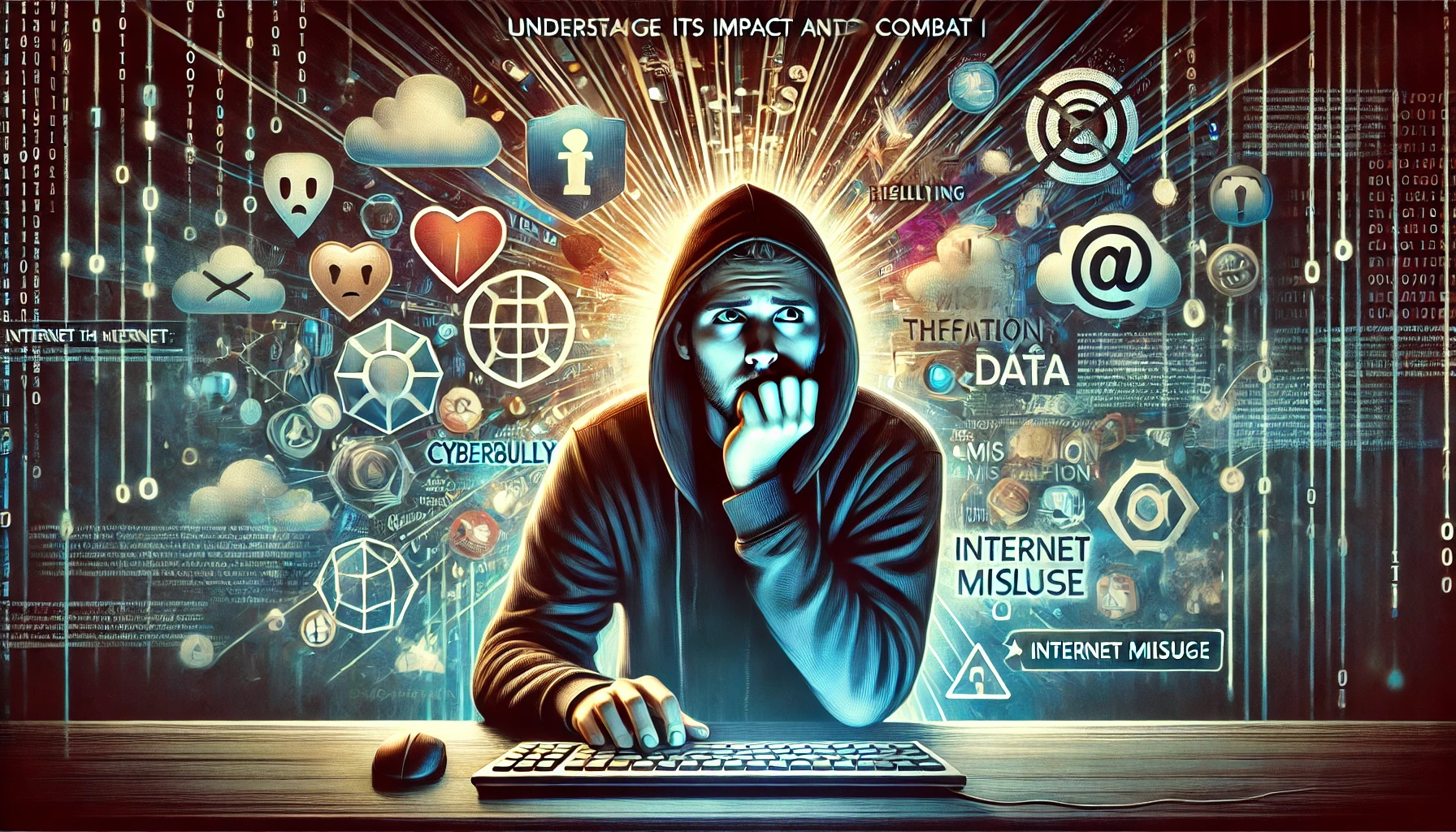
The internet has revolutionized the way we live, communicate, and work. From instant access to information to seamless global connectivity, the benefits of the internet are immense. However, like any powerful tool, the internet can be misused, leading to various societal and personal issues. In this blog, we will explore the different ways in which the internet is misused, its consequences, and measures that can be taken to combat these problems.
1. Cyberbullying and Harassment
One of the most pervasive misuses of the internet is cyberbullying. This involves using digital platforms such as social media, messaging apps, or gaming platforms to harass, threaten, or humiliate individuals. Unlike traditional bullying, cyberbullying can occur 24/7 and reach victims anywhere, making it harder to escape. The anonymity provided by the internet often emboldens perpetrators, leading to severe psychological consequences for victims, including anxiety, depression, and in extreme cases, suicidal thoughts.
Combating Cyberbullying:
To tackle cyberbullying, it is essential to promote awareness about digital etiquette and empathy. Schools, workplaces, and online platforms should have strict anti-bullying policies and provide support to victims. Additionally, social media platforms must implement better monitoring and reporting tools to detect and remove harmful content promptly.
2. Spreading Misinformation and Fake News
The internet, particularly social media, has become a breeding ground for misinformation and fake news. Misleading content, false information, and conspiracy theories can spread like wildfire, causing confusion, panic, or even social unrest. The consequences can be severe, affecting elections, public health, and societal trust.
Combating Misinformation:
To combat misinformation, individuals must be educated about digital literacy and the importance of verifying information from credible sources. Fact-checking organizations and tools can help identify and flag false information. Social media platforms should also take responsibility for curbing the spread of fake news by promoting transparency in their algorithms and prioritizing reliable content.
3. Cybercrime and Fraud
Cybercrime has become one of the most significant threats associated with the misuse of the internet. Cybercriminals use the internet to commit various crimes, including identity theft, phishing, ransomware attacks, and financial fraud. These crimes can have devastating effects on individuals, businesses, and even governments, leading to financial losses, data breaches, and damage to reputations.
Combating Cybercrime:
Effective cybersecurity measures are essential to prevent cybercrime. This includes using strong passwords, multi-factor authentication, regular software updates, and employing antivirus and anti-malware tools. Governments and organizations should also enforce strict regulations and penalties for cybercriminals to deter illegal activities online.
4. Online Addiction and Mental Health Issues
The internet, particularly social media and online gaming, can be highly addictive. Excessive use can lead to several mental health issues, such as anxiety, depression, and a lack of real-world social interaction. Internet addiction, especially among young people, can disrupt daily life, academic performance, and relationships.
Combating Online Addiction:
Raising awareness about healthy internet usage is key to combating online addiction. Encouraging activities outside the digital world, such as sports, hobbies, and social interactions, can help maintain a balanced lifestyle. Setting screen time limits and using digital wellness tools can also help individuals regulate their internet usage.
5. Violation of Privacy and Data Security
Many people are unaware of how much personal data they expose online, from social media profiles to online shopping habits. This information can be misused by malicious actors for identity theft, stalking, or targeted cyberattacks. Companies and organizations also face significant risks if their data is compromised, leading to financial losses and reputational damage.
Combating Privacy Violations:
Protecting privacy online starts with being aware of the information one shares. Individuals should regularly review their privacy settings on social media and other platforms and be cautious about sharing personal information. Using encrypted communication tools, VPNs, and secure browsers can add an extra layer of protection. Organizations should prioritize data security through robust cybersecurity protocols, regular audits, and compliance with data protection regulations.
6. Exposure to Harmful Content
The internet is filled with a vast amount of content, some of which can be harmful, particularly for children and teenagers. Exposure to violent, explicit, or inappropriate content can negatively affect young minds, leading to behavioral issues and a skewed perception of reality.
Combating Harmful Content Exposure:
Parental controls, content filtering, and monitoring tools can help reduce children’s exposure to harmful content. Parents and guardians should also engage in open discussions about safe internet usage and educate children about the potential dangers online. Content platforms need to enforce stricter guidelines for age-appropriate material and provide robust reporting mechanisms for harmful content.
7. Social Engineering and Manipulation
Social engineering involves manipulating people into divulging confidential information or performing actions that compromise their security. Phishing scams, baiting, and pretexting are common tactics used to exploit trust and manipulate victims online.
Combating Social Engineering:
Educating users about the different types of social engineering attacks and how to recognize them is crucial. Training sessions, simulations, and awareness campaigns can help individuals and employees identify and resist manipulation attempts. Multi-factor authentication and secure communication channels add layers of security against these attacks.
Conclusion
While the internet has undoubtedly brought immense benefits to our lives, its misuse can have far-reaching and often devastating consequences. Combating the misuse of the internet requires a multi-faceted approach, including education, awareness, regulation, and technology. By promoting responsible use, enhancing cybersecurity, and fostering a culture of empathy and digital literacy, we can ensure that the internet remains a safe and positive space for everyone.
By addressing these issues, we can pave the way for a safer, more informed, and compassionate online world. The responsibility lies with all of us—individuals, organizations, and governments—to use the internet wisely and protect it from misuse.

Post Comment